How to Care for Peace Lily

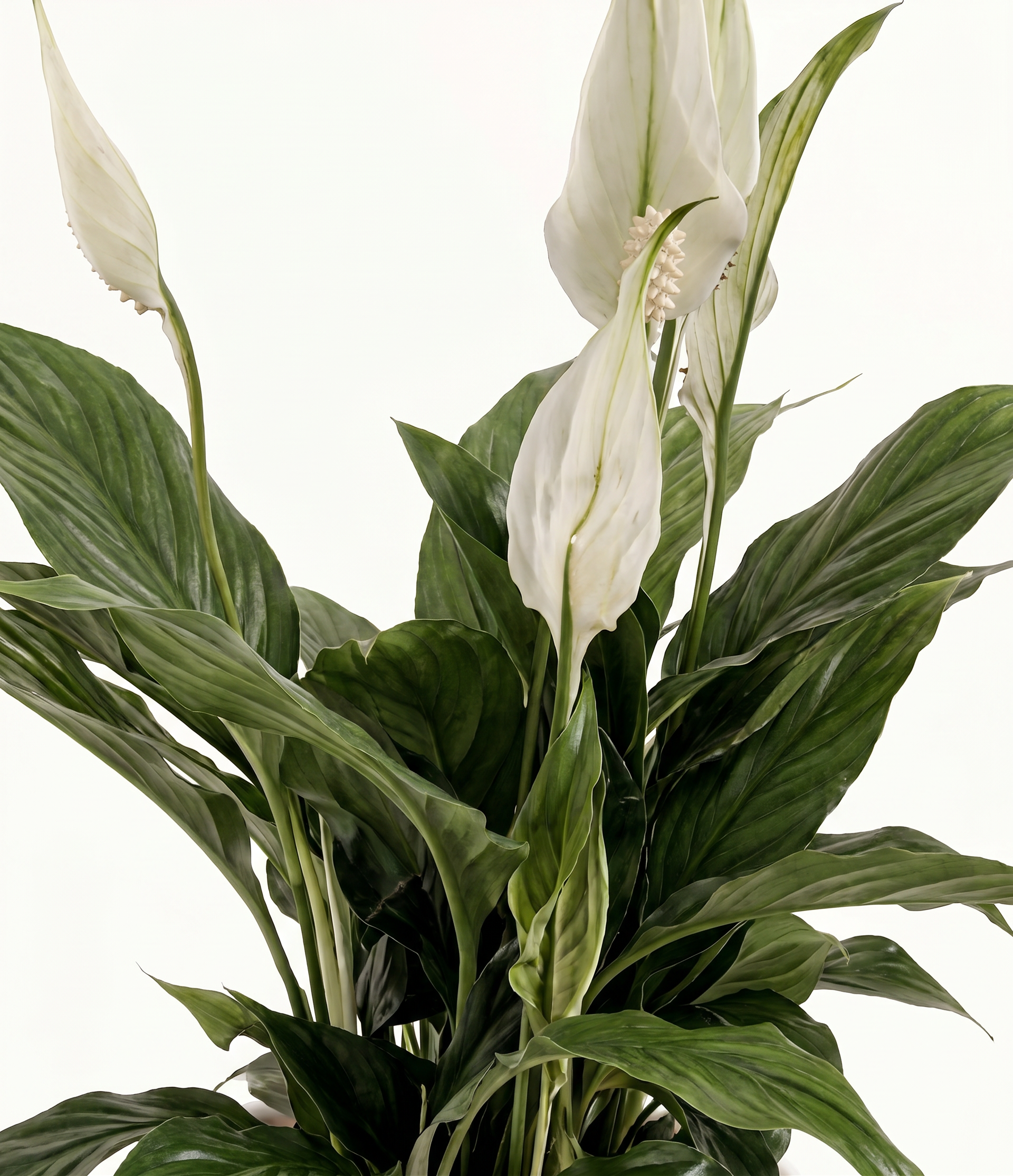
About Peace Lily
Native to the tropical rainforests of Central and South America, the Peace Lily is cherished for its graceful white blooms and lush, glossy green foliage. Despite their elegant appearance, their signature white flowers are actually modified leaves, creating a timeless display that brightens any space with natural beauty and sophistication.
How Often Should I Water My Peace Lily?
With easyplant, watering your Peace Lily is simple. Make sure to check the easyplant reservoir once every 1 month and fill it if empty, and you're all set!


Peace Lily Light Needs
Peace Lily grows best in a space with bright indirect light, where the sun rays are diffused, and can also adapt to spaces with medium to low light. Avoid placing it in spaces without natural light or with direct sunlight.
Place your Peace Lily a few feet away from an east- or north-facing window, or near a south- or west-facing window with a sheer curtain to soften the light. Too much direct sun can scorch its leaves, while very low light may slow growth and reduce blooming.


Peace Lily Plant Care
Peace Lily is a low-maintenance plant that stays healthiest with a little routine care. Wipe the leaves occasionally with a soft, damp cloth to remove dust so they can absorb light efficiently. Rotate your Peace Lily every few weeks to encourage even growth, and trim away any yellow, brown, or damaged leaves by cutting them at the base with clean pruning shears. Remove spent flowers once they fade to help the plant maintain its tidy appearance. As your Peace Lily grows, it may naturally outgrow its pot. When that happens, easyplant offers a repotting kit with a larger pot to give the roots more space. Since the larger pot holds more soil, wait until your Peace Lily has clearly outgrown its current pot before repotting.
How Big Will My Peace Lily Grow?
Peace Lily typically grows 1 to 4 feet tall and 1 to 3 feet wide indoors, depending on the variety and growing conditions. It has a moderate growth rate and can grow 4 to 12 inches per year with proper light and care. Since easyplant's self-watering system is designed for indoor conditions, Peace Lily should be kept indoors where it can grow consistently and stay healthy year-round.
Temperature & Humidity
Peace Lily grows best in temperatures between 65°F and 80°F and prefers consistent indoor conditions. It enjoys average household humidity and will appreciate naturally higher humidity levels, but it adapts well to most homes. Keep your Peace Lily away from cold drafts, air conditioning vents, heaters, and sudden temperature changes, as these can cause leaf damage, browning, or drooping. Avoid exposing it to temperatures below 55°F for extended periods.
Is Peace Lily Toxic for Pets & Kids?
Yes. Peace Lily is toxic to both pets and people if chewed or ingested because it contains insoluble calcium oxalate crystals. Contact with the plant can cause irritation of the mouth, tongue, and throat, leading to drooling, pain, or difficulty swallowing. To help keep everyone safe, place your Peace Lily out of reach of curious pets and young children, and contact a veterinarian or healthcare provider right away if any part of the plant is eaten.
Troubleshooting Common Problems with Peace Lily
If your Peace Lily develops yellow or mushy leaves, it is often a sign of overwatering. If you're using easyplant, make sure you're following the recommended monthly reservoir refill schedule, as this helps prevent common watering mistakes. If you're not using easyplant, allow the soil to dry slightly before watering again and always empty excess water from the saucer. Brown leaf tips can result from inconsistent watering, dry air, or a buildup of minerals from tap water, while pale leaves or a lack of blooms usually indicate the plant needs brighter indirect light. It's also normal for older leaves near the base to yellow and die off as the plant grows. If you notice sticky residue or small insects, gently wipe the leaves with a damp cloth or remove pests with a cotton swab. Adjust your plant's care based on the symptoms, remove any damaged foliage, and monitor new growth for improvement.
Frequently Asked Questions about Peace Lily Plant
- Why are my Peace Lily's leaves drooping?

Drooping leaves usually mean your Peace Lily is thirsty, but they can also be a sign of overwatering. Check the soil before watering. If you're using easyplant, make sure the reservoir is refilled every 1 month as recommended.
- How often does a Peace Lily bloom?
A healthy Peace Lily typically blooms once or twice a year indoors, most often in spring and summer. Bright indirect light and consistent care encourage more frequent flowering.
- Should I remove yellow or brown leaves from my Peace Lily?
Yes. Trim yellow, brown, or damaged leaves at the base using clean pruning shears. Removing old foliage helps your Peace Lily direct its energy toward healthy new growth and keeps the plant looking its best.
 Small Plants
 Medium Plants
 Plants Collections
 Large Plants
 Huge Plants